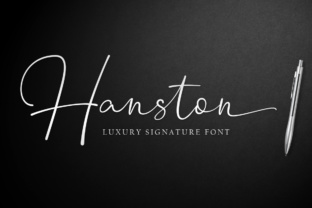
Hanston: A Modern Calligraphy Typeface for Luxury Branding
When I first opened my design software to start a new branding project for a boutique skincare line, I knew the typography would make or break the visual identity. The client wanted something that felt personal yet undeniably high-end, striking that delicate balance between approachable and exclusive. That is when I discovered Hanston, a modern calligraphy typeface that immediately caught my eye. As a designer who works extensively with Script Handwritten styles, I am always cautious about choosing the right Fonts because so many script options look generic or overly decorative. However, Hanston offered something different: a refined elegance that felt contemporary rather than dated. In this article, I want to share how integrating Hanston into a real-world design workflow can elevate your creative projects, from initial logo concepts to final packaging mockups.
Creating a Luxury Feel with Hanston in Logo Design
The primary challenge in any branding project is establishing immediate recognition and trust. For the skincare brand I was working on, the logo needed to sit comfortably on small product labels while still retaining its character on larger signage. Hanston proved to be an exceptional choice for this purpose because its elegant letters naturally convey a sense of sophistication. When I began sketching out logo drafts, I found that the fluid strokes of this Script Handwritten typeface added a human touch that rigid geometric fonts simply could not match. Among the vast library of available Fonts, Hanston stands out because it avoids the excessive swashes that often reduce readability. Instead, it focuses on clean, confident lines that suggest quality and attention to detail. This makes it ideal for businesses aiming to position themselves in the luxury market, where perception is everything. By using Hanston as the primary logotype, I was able to create a mark that felt both established and fresh, giving the brand a strong visual anchor from day one.
Elevating Packaging Design and Product Labels with Script Typography
Once the logo direction was approved, the next phase involved applying the typography to packaging materials. This is where the true versatility of Hanston shines. Packaging design requires a font that can handle various sizes and backgrounds without losing its integrity. I tested Hanston on several mockups, including minimalist glass bottles and textured paper boxes. The result was consistently impressive. The modern calligraphy style of Hanston interacts beautifully with negative space, allowing the design to breathe. When paired with a clean sans serif font for ingredient lists and regulatory text, Hanston creates a pleasing visual hierarchy that guides the consumer’s eye. Many designers struggle to find Script Handwritten options that do not clash with secondary information, but Hanston integrates seamlessly. It adds that crucial layer of personality to product labels, transforming a simple container into a desirable object. If you are designing for physical products, whether they are candles, cosmetics, or artisanal foods, incorporating Hanston can significantly enhance the unboxing experience and perceived value of the item.
Enhancing Social Media Graphics and Digital Presence with Hanston
In today’s digital-first world, a brand’s online presence is just as important as its physical materials. I extended the brand identity to social media platforms, creating templates for Instagram posts and stories. Hanston performed exceptionally well in these digital contexts. Its distinct letterforms remain legible even on smaller mobile screens, which is a common pitfall for many decorative Fonts. I used Hanston for headline quotes, promotional announcements, and featured product highlights. The modern calligraphy aesthetic helped the content stand out in crowded feeds, attracting attention through its inherent beauty. When designing for social media, it is essential to maintain consistency, and Hanston provided a cohesive thread that tied all visual assets together. Whether used as a standalone element or combined with photography, this Script Handwritten typeface adds a layer of professionalism and creativity. It allows brands to communicate their voice with warmth and style, fostering a deeper connection with their audience. For content creators and marketers, having a reliable font like Hanston in your toolkit means you can produce high-quality graphics quickly without sacrificing design standards.
Pairing Hanston with Serif and Sans Serif Fonts for Balanced Layouts
One of the most critical skills in typography is knowing how to pair fonts effectively. While Hanston is stunning on its own, it truly comes alive when supported by complementary typefaces. During the editorial design phase of the project, I experimented with various combinations to find the perfect balance. I found that pairing Hanston with a classic serif font created a timeless, editorial look that worked well for longer-form content such as blog headers or magazine-style layouts. Conversely, combining it with a modern sans serif font resulted in a crisp, contemporary aesthetic suitable for web design and app interfaces. The key is to let Hanston take the spotlight as the display font while using simpler fonts for body text. This approach ensures that the Script Handwritten elements do not overwhelm the reader. By carefully selecting supporting Fonts, you can create a versatile brand system that adapts to different mediums while maintaining a unified identity. This strategic pairing enhances readability and visual interest, making your designs more engaging and effective.
Practical Tips for Using Hanston in Commercial Branding Projects
As a freelance designer, I always recommend testing a font thoroughly before committing it to a full brand system. With Hanston, I suggest starting with simple applications like business cards or letterheads to gauge its impact. Pay attention to spacing and kerning, as script fonts often require slight adjustments to ensure optimal flow. Check if the font package includes alternates or ligatures, which can add unique touches to your designs and prevent repetitive patterns. Understanding the licensing terms is also crucial, especially for commercial projects, to ensure you have the right to use the Fonts across all intended platforms. Hanston is designed to be a premium asset, so treating it with care in your workflow will yield the best results. Whether you are working on a website header, a printed flyer, or a merchandise line, this modern calligraphy typeface offers the flexibility and elegance needed to succeed. By embracing the characteristics of this Script Handwritten style, you can create designs that not only look beautiful but also communicate the luxury and quality your clients desire. Ultimately, Hanston is more than just a font; it is a tool that empowers designers to craft memorable and impactful brand experiences.