Carita Font: Bold All-Caps Style for Makers
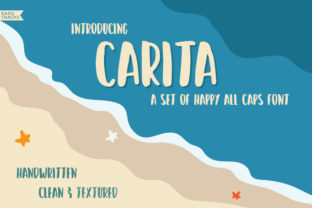
There is a specific kind of satisfaction that comes from watching a design transform on the screen, moving from a vague concept to a tangible product ready for production. I experienced this recently while working on a new line of soy candle labels. I needed a typeface that could stand up against the minimalist aesthetic of the glass jars but still carry enough personality to feel handmade and warm. That is when I discovered Carita, a distinctive all-caps typeface that immediately changed the trajectory of my project. As a creator who relies heavily on high-quality Fonts to define brand identity, finding a Script Handwritten style that balances fun with striking presence is rare. Carita offered exactly that mix, turning simple text into a central design element rather than an afterthought.
Using Carita for Candle Labels and Boutique Packaging
When you are designing physical products like candles, soaps, or skincare items, the label is often the first point of contact between your brand and the customer. The Carita font shines in these applications because its all-caps structure provides excellent legibility even at smaller sizes. Unlike delicate scripts that can disappear when printed on textured paper, Carita maintains its weight and character. I used it to print the scent names on my latest batch of lavender and eucalyptus candles. The result was a clean, modern look that felt both upscale and approachable. Because it is categorized under Script Handwritten styles, it retains a human touch, avoiding the coldness of standard geometric sans-serifs. This subtle warmth is crucial for handmade sellers who want their packaging to reflect the care put into the product itself. Whether you are creating hang tags for jewelry boxes or stickers for jam jars, Carita adds a striking touch that elevates the perceived value of the item.
Designing Wedding Invitations and Event Stationery with Carita
Wedding stationery requires a delicate balance between elegance and readability. Couples often look for fonts that feel personal yet formal enough for the occasion. Carita fits this niche beautifully, particularly for save-the-dates, welcome signs, and menu cards. Its all-caps nature gives it a ceremonial feel, reminiscent of classic engraving but with a contemporary twist. When I tested Carita for a mockup of a rustic-chic wedding invitation suite, I paired it with a lightweight serif font for the body text. The contrast was immediate and effective. The boldness of Carita drew the eye to the couple’s names and the date, while the secondary font handled the details without competing for attention. For printable creators offering digital invitation templates, including Carita as a headline option can significantly broaden the appeal of your shop. It works exceptionally well for short phrases like "Save the Date," "Thank You," or "Cheers," making it a versatile asset for event-based Fonts collections.
Creating Eye-Catching Printable Wall Art and Home Decor
The market for printable wall art is saturated, so standing out requires strong typographic choices. Carita is an excellent candidate for quote posters, nursery art, and kitchen prints. Its fun feel allows it to work in playful contexts, such as children’s rooms, where bright colors and bold letters create an engaging atmosphere. I designed a set of alphabet prints using Carita, and the uniform height of the all-caps letters created a satisfying visual rhythm across the series. For makers using cutting machines like Cricut or Silhouette, Carita is also a reliable choice for vinyl decals and iron-on transfers. The closed shapes and consistent stroke width mean fewer weeding issues and cleaner cuts. Whether you are making a tote bag with a witty slogan or a wooden sign for a farmhouse entryway, this Script Handwritten typeface ensures the message is read clearly from a distance. It transforms simple words into graphic elements that anchor the entire design.
Pairing Carita with Other Fonts for Brand Consistency
One of the most important skills for a product maker is knowing how to pair fonts effectively. Carita, being an all-caps display font, demands space and attention. It should not be crowded by other loud typefaces. In my experience, it pairs best with simple, neutral sans-serif fonts for body copy. This combination creates a hierarchy that guides the viewer’s eye naturally. For example, on a product tag for a handmade leather wallet, I used Carita for the brand logo and a thin sans-serif for the material description. The result was professional and cohesive. If you are building a brand identity, consider using Carita consistently across your social media graphics, website headers, and packaging. This repetition builds recognition. Customers begin to associate that specific striking touch with your shop. It is not just about choosing pretty Fonts; it is about creating a visual language that speaks to your audience. Carita’s versatility allows it to adapt to various industries, from food and beverage to fashion and home decor.
Technical Considerations for Crafters and Digital Sellers
Before integrating any new typeface into your commercial workflow, it is essential to understand its technical specifications. Carita is designed to be robust, but like all Script Handwritten styles, it performs best when used intentionally. It is not suitable for long paragraphs of text. Instead, reserve it for titles, logos, and short declarations. When preparing files for print, ensure you are using the correct format, whether OTF or TTF, to maintain crisp edges. For digital download sellers, providing preview images that show Carita in real-world contexts—such as on a mug or a t-shirt—helps customers visualize the end product. This practical approach reduces hesitation and increases conversion rates. Additionally, always check the licensing agreement to confirm commercial use rights for physical products and digital templates. Understanding these details protects your business and ensures that your creative efforts are built on a solid foundation. By treating Carita as a key component of your design toolkit, you unlock new possibilities for expression and connection with your customers.